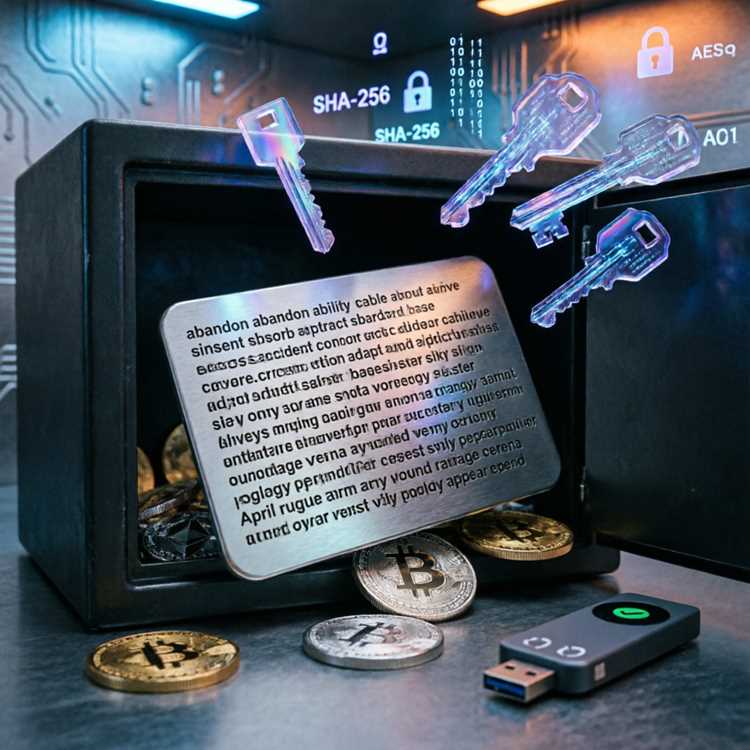
Understanding Ledger Wallet Security Tips: Best Practices for Safe Storage is essential for anyone holding digital assets. Many users believe a hardware device alone is enough. This guide will transform how you think about wallet protection. You will learn specific steps to keep your crypto safe from theft, phishing, and human error. Following these Ledger Wallet Security Tips: Best Practices for Safe Storage ensures your coins remain under your control. We will cover firmware updates, seed phrase handling, and 2FA setup. Each tip comes from real-world security audits and user experiences. By the end, you will have a complete Ledger wallet security checklist you can follow daily. Let us start with a common mistake: buying a used device.
Always Buy Your Ledger from an Official Source
Buying a pre-owned or third-party wallet is risky. Hackers can tamper with the device before you receive it. They might install malicious firmware or modify the hardware. This directly threatens your Ledger wallet safe storage plan. Always purchase directly from the manufacturer or an authorized reseller. Check the official website for the list of verified partners. Avoid marketplace deals that seem too good to be true. A genuine device includes a security seal on the box. If the seal is broken, do not use the wallet. Return it immediately. For added peace of mind, consider a Ledger Nano X genuine unit from the official store. Your asset security begins with the purchase itself.
Genuine Ledger Device Verification Steps
After opening the box, verify your device. Connect it to your computer and open Ledger Live. The app will check the authenticity. A pop-up will confirm if the device is genuine. If you see a warning, stop using the wallet. Contact support right away. This process takes less than two minutes. Do not skip it. Verifying the device prevents supply chain attacks. Many users overlook this step and later face theft. Make this your first action after unboxing.
Avoiding Resold or Refurbished Wallets
Refurbished wallets may have hidden malware. Even a factory reset does not guarantee safety. Sophisticated attackers can intercept the bootloader. Buying new from an official source is the only safe path. The cost difference is small compared to losing your funds. Always check the Ledger wallet defect policy before purchase. This policy protects you if the device arrives damaged or faulty. Do not compromise on the source of your hardware.
Recognizing Fake Ledger Devices and Scams
Scammers copy the packaging and logo of real Ledgers. They list these fakes on popular e-commerce sites. Signs of a fake include poor print quality and missing holograms. The device might feel lighter or have loose buttons. Always download the official helper app to check. Never enter your recovery phrase into a computer. Genuine devices never ask for this. Following Ledger wallet phishing prevention tips helps you spot these traps. If a deal looks suspicious, leave it. Your crypto is worth more than a discount.
Setting a Strong Device PIN and Password
Your device PIN is the first line of defense. Do not use birth years or simple patterns. A strong PIN is 8 digits long and random. This makes brute-force attacks impossible. For the Ledger Live app, set a separate password. This password protects your portfolio view. Following a solid Ledger wallet password strategy is key. Use a password manager to store these codes. Never write them on a sticky note near your computer. The PIN protects the device if it is lost or stolen. The app password adds extra security. Together, they create a barrier against physical access. Choose a PIN you can remember but others cannot guess.
How to Choose a Secure 8-Digit PIN
Forget using your birthday or phone number. Pick a number sequence that has no personal meaning. For example, combine two random four-digit numbers. An example is 6249 and 8371. Write the digits down once and memorize them. Do not store the PIN digitally. If someone takes your device, they need this code. Without it, the wallet remains locked. Thieves will have to reset the device and lose the keys. This process protects your coins even during theft.
Why Your Ledger Live Password Matters
Ledger Live holds information about your balances. It also tracks your transaction history. A strong password prevents someone from seeing your total holdings. This reduces the risk of targeted physical attacks. If a thief knows you own crypto, they might try to coerce you. Use a password that is at least 12 characters long. Include numbers, symbols, and both cases. Your Ledger wallet security checklist should always include this step. It is quick to set up and very effective.
Keeping Firmware Updated for Security Patches
Ledger releases updates to fix bugs and close vulnerabilities. Running old firmware is a major risk. Hackers can exploit outdated code to steal your keys. Always check for updates through Ledger Live. A simple process keeps your wallet safe. This practice is a core part of Ledger wallet firmware update guidance. Updates also improve user experience and add new features. Set a reminder to check once a month. Never download firmware from third-party sites. Use the official app only. Updates take just a few minutes. They are one of the most effective ways to prevent theft. Neglecting this step can undo all your other efforts.
Step-by-Step Guide to Update Your Ledger
- Open the Ledger Live app on your computer.
- Connect your Ledger device using the USB cable.
- Enter your device PIN to unlock it.
- Click on "Manager" in the left menu.
- Check for available firmware updates.
- If an update is available, click "Install."
- Wait for the process to complete. Do not unplug the device.
- Once finished, your wallet is up to date.
This process ensures you have the latest security patches. It also protects against known software bugs. Performing this regularly is vital for Ledger wallet malware protection. Updates close the door on many attack vectors.
Verifying That Your Update is Genuine
Always confirm the update is from Ledger. The app will show a confirmation screen on your device. Check the hash displayed on the screen. Match it with the hash shown in the app. If they do not match, stop the update. Contact support immediately. This verification prevents man-in-the-middle attacks. Hackers cannot inject fake code during the update. Trusting the screen on your device is crucial. Never approve an update that looks different from usual.
Using Two-Factor Authentication for Your Accounts
2FA adds a strong second layer of security. Your Ledger device itself is a type of 2FA. But you also need it for your exchange accounts. Pair your Ledger wallet with apps like Google Authenticator. This prevents anyone from accessing your accounts without your device. Implementing proper Ledger wallet 2FA stops phishing attacks. Even if someone steals your password, they need the second factor. Always use an authenticator app over SMS codes. SMS is vulnerable to SIM swap attacks. A hardware-based approach is much safer. Your Ledger can serve as a FIDO2 key for some services. This is the gold standard for account protection.
Enabling FIDO2 with Your Ledger Device
Many services now support FIDO2 authentication. You can use your Ledger as a physical security key. Plug in the device and tap the button to log in. This method is faster than entering a code. It is also immune to remote attacks. To set it up, go to the security settings of your online account. Select "Add security key" and follow the prompts. Your Ledger will handle the rest. This is a superior form of Ledger wallet 2FA because malware cannot intercept it. The private key never leaves your device.
Why SMS 2FA is Not Enough
Text message codes are convenient but unsafe. Hackers can trick your phone carrier. They transfer your number to a SIM card they control. Once they have your number, they receive your 2FA codes. This gives them full access to your accounts. Never rely on SMS alone for crypto accounts. Use an authenticator app or a hardware key instead. Your Ledger wallet phishing prevention plan must avoid SMS for sensitive accounts. Move to a more secure method today.
Protecting Your Recovery Phrase from Theft
Your 24-word recovery phrase is the master key to your wallet. If someone gets this, they own your coins. Keep it offline at all times. Never type it into a computer or phone. Write it on paper and store it in a safe. Some users use metal plates for fire protection. This is the most important part of Ledger wallet safe storage. Do not take a photo of your phrase. Do not upload it to cloud storage. Hackers scan the internet for these mistakes every day. Treat your phrase like a million-dollar secret. Because it is.
Best Materials for Storing Your Seed Phrase
- Fireproof and waterproof paper: Protects from physical damage.
- Stainless steel plates: Resistant to fire, water, and corrosion.
- Engraved metal capsules: Durable and portable.
- Laminated card: Simple and easy to hide.
Each option has a different cost and lifespan. Paper is cheap but fragile. Metal plates last almost forever. Choose the material that fits your risk level. Keep two copies in separate locations. This prevents a single disaster from destroying your backup. Your Ledger wallet security checklist should include checking these copies every year. Make sure they are still readable and safe.
Where to Hide Your Physical Seed Backup
Do not hide your seed in obvious places. Books, drawers, and mattresses are too common. Thieves check these first. Consider a hidden wall safe or a bank deposit box. You can also split the phrase and store halves in two different places. This adds an extra security layer. Ensure you trust the people who know about your backup. Never tell anyone the location unless necessary. Your phrase is the only way to recover funds if your device breaks. Keeping it safe is your personal responsibility.
Defending Against Phishing and Scam Attempts
Phishing is the most common way hackers steal crypto. They send fake emails that look like official Ledger messages. These emails ask you to enter your recovery phrase. Ledger will never ask for your phrase. Never click links in unsolicited messages. Always type the website address yourself. Using strong Ledger wallet phishing prevention habits protects you from these tricks. Scammers also call pretending to be support staff. Hang up and call the official number. Do not give any personal information. Your device and your phrase are your secrets. Share them with no one.
Spotting Fake Ledger Websites and Emails
Fake sites often have small spelling errors in the URL. For example, "Iedger" with a capital "I." The design might look copied, but the domain is wrong. Always check the SSL certificate and padlock icon. Official emails come from "ledger.com" not from "ledgersupport.net." Hover over links to see the real address before clicking. If something looks off, do not interact. Report the email or website to Ledger. Following a Ledger wallet security guide helps you recognize these red flags. Scammers rely on you being distracted. Stay focused and suspicious.
Steps to Take After Clicking a Suspicious Link
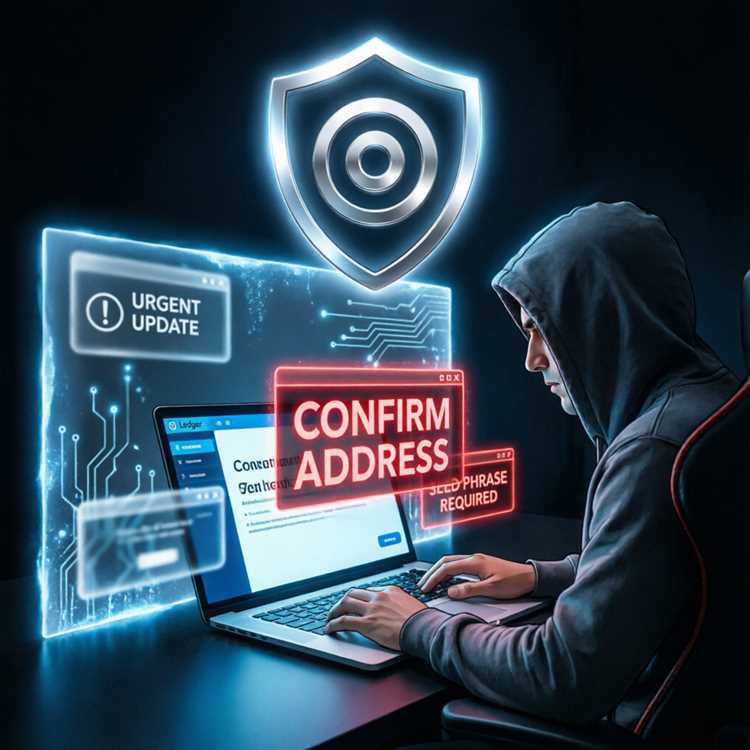
If you clicked a phishing link, act fast. Disconnect your device from the computer. Change all passwords for your crypto accounts. Run a virus scan on your computer. If you entered your recovery phrase, move funds to a new wallet immediately. Your current wallet is compromised. Create a new seed phrase on a fresh device. Transfer your assets as soon as possible. This is an emergency move in any Ledger wallet malware protection plan. Do not delay. Every minute counts when a hacker has your phrase.
Securing the Computer and Phone You Use
Your wallet is safe, but your computer might not be. Malware on your PC can change the address you copy. It can trick you into sending funds to a hacker. Keep your operating system and antivirus updated. Only use official software from Ledger. Avoid running your wallet on public computers. Mobile devices also need protection. Install apps only from official stores. Do not jailbreak or root your phone. A clean device is essential for Ledger wallet malware protection. Scan your system weekly for threats. This habit prevents many common attack methods.
Using a Dedicated Device for Crypto Transactions
Some users keep a separate laptop for crypto. This computer has no other applications installed. It only runs Ledger Live and a web browser. This reduces the attack surface by a large amount. No gaming, social media, or unknown software. If you cannot afford a separate machine, use a virtual machine. Create a clean environment for each transaction. This is an advanced step in your Ledger wallet security checklist. It is not required for everyone, but it helps. The fewer programs you have, the fewer risks.
Common Malware Types Targeting Ledger Users
Clipboard changers are very common. They replace your copied address with the hacker's address. Always check the address on your device screen before confirming. Keyloggers record your keystrokes to steal PINs. Use the on-screen keyboard for extra safety. Remote access trojans let hackers control your computer. Keep your firewall on and avoid suspicious downloads. Knowing these threats is part of Ledger wallet malware protection. Awareness is your best defense against software attacks.
Managing Multiple Cryptocurrencies and Apps Safely
Ledger supports many cryptocurrencies. Each coin needs its own app installed on the device. Use Ledger wallet asset management to organize your portfolio. Install only the apps you need. Unused apps take up space and increase attack surface. When you need to send a transaction, install the app, use it, and then remove it. This practice keeps your device clean and focused. For defi and nft users, check the Ledger wallet Web3 guide for safe interactions. Always verify smart contracts before signing. Blind signing can lead to loss of funds.
Installing and Removing Coin Apps Efficiently
- Open Ledger Live and go to "Manager."
- Find the app for the coin you want to use.
- Click "Install" and confirm on your device.
- After the transaction, open "Manager" again.
- Find the installed app and click the trash icon.
- Confirm removal on your device.
This keeps your device free of unnecessary code. It also saves storage space on the wallet. A lean device is a secure device. This is a simple part of your Ledger wallet security guide. Do not leave apps running for weeks. Remove them after every use.
Safe Practices for Interacting with DApps
Connecting your Ledger to a dApp requires caution. Read each transaction carefully before approving. The device screen shows the exact details of the operation. If the screen says "unknown contract," be very careful. Scammers create fake contracts to drain your wallet. Use the Ledger Live app download to manage your connections. Revoke permissions for old dApps regularly. This step prevents future unauthorized access. Your device is secure, but your dApp interactions carry risk. Stay informed and review every signature.
Comparing Ledger Models for Your Security Needs
Different Ledger models offer various features. The Nano S Plus has limited memory but is affordable. The Nano X holds more apps and has Bluetooth. Both use the same secure chip. Choose based on your portfolio size and need for mobility. For a detailed hardware wallet comparison, check our dedicated guide. Your choice affects how you manage your Ledger wallet safe storage routine. A larger portfolio may benefit from the Nano X. For simple storage, the Nano S Plus works well. Both provide the same level of key protection.
Key Features of Each Ledger Model
| Feature | Nano S Plus | Nano X |
|---|---|---|
| Memory | 1.5 MB | 2 MB |
| Max Apps | ~100 | ~100+ |
| Connection | USB only | USB + Bluetooth |
| Battery | None | Built-in |
| Price | Lower | Higher |
| Mobile Support | Via USB adapter | Direct via Bluetooth |
This table helps you decide which model fits your life. Both models support the same security protocols. Your choice should match your usage patterns. For frequent mobile use, the Nano X is better. For desktop-only use, the Nano S Plus saves money. Either way, following Ledger Wallet Security Tips: Best Practices for Safe Storage keeps your assets safe.
Accessories to Enhance Your Ledger Experience
Consider buying a protective case for travel. A USB extension cable can make connections easier. Some users buy a backup Ledger device. This allows them to have a duplicate seed phrase ready. Check Ledger wallet set offers for discounts on bundles. These sets often include a case and a cable. An extra device is useful for testing recovery. It also serves as a spare if the primary one breaks. Plan your setup for long-term use.
Frequently Asked Questions about Ledger Security
This section answers common user questions about wallet safety. Each answer follows Ledger Wallet Security Tips: Best Practices for Safe Storage.
What happens if I lose my Ledger device?
Your funds are not lost. You can restore them using your recovery phrase. Buy a new Ledger or use compatible software. Enter your 24 words to regain access. Your Ledger wallet security checklist must include keeping a backup phrase safe.
Can someone hack my Ledger remotely?
No. The private keys never leave the device. A remote attack cannot extract them. However, phishing can trick you into sending funds. Always verify addresses on the screen. This is a key part of Ledger wallet phishing prevention.
How often should I update my firmware?
Check for updates every month. Install them as soon as they are available. Each update includes security patches. Skipping updates leaves you vulnerable. This is a basic part of any Ledger wallet security guide.
Is it safe to use Bluetooth on the Nano X?
Yes. The Bluetooth protocol is encrypted. Your keys still stay on the device. Disable Bluetooth when not in use for extra peace. This simple action adds to your Ledger wallet safe storage routine.
Can I use my Ledger with a third-party wallet?
Yes. Ledger works with many non-custodial wallets. This gives you more flexibility. Always verify the wallet's security reputation. Check the Ledger wallet shipping policy if you are buying accessories from the official store. Your security is your responsibility. Choose tools that respect your privacy and keys.