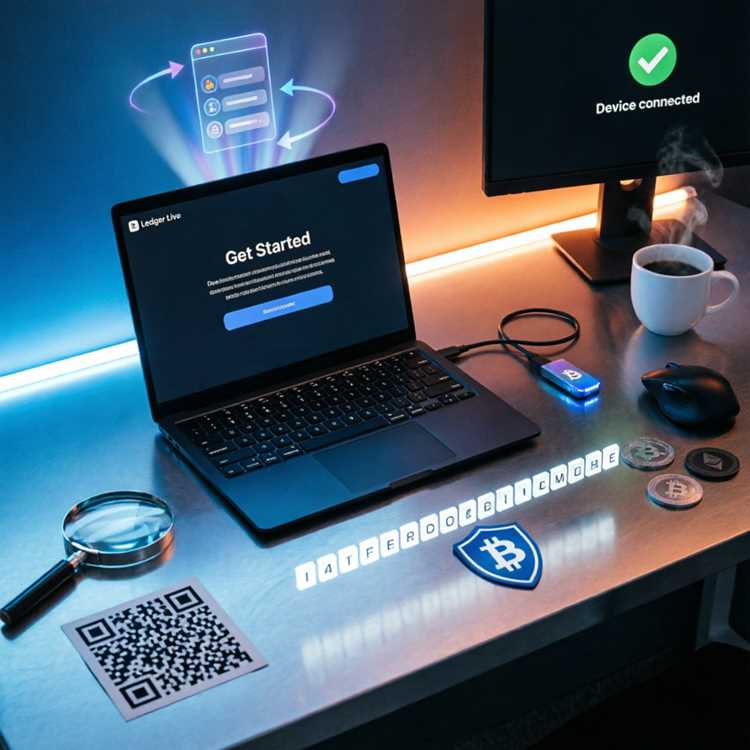
# How to Set Up Ledger Live – Complete Guide for Beginners
Setting up Ledger Live is your first step toward safe crypto control. This guide walks through each stage without technical jargon. By the end, you will manage digital assets like a pro. Let us begin with clear instructions and helpful tips.
Learning wallet software can feel overwhelming. A structured approach removes guesswork. Using a hardware wallet adds a layer of protection. Software alone cannot match this security level. Pairing both gives you peace of mind.
Ledger Live serves as the control center for your hardware device. It tracks balances, sends transactions, and installs apps. Beginners often confuse the app with the hardware wallet. Knowing the difference matters for a smooth start.
Installing software correctly prevents future errors. Updating apps on your device requires this tool. Staking and swapping also happen within this interface. A proper setup saves time and reduces frustration.
## Why Your First Ledger Live Installation Guide Matters for Security
Choosing a reliable wallet setup process protects your funds. Many scams target beginners with fake apps. Downloading from official sources avoids malicious clones. This safety step cannot be skipped.
Searching online may show sponsored adverts. Some of those links direct to phishing sites. Direct navigation to the manufacturer site is safer. Bookmark the official page for future visits.
Verifying download checksums adds another layer of trust. The manufacturer provides checksum values for every release. Comparing these values confirms file integrity. This process takes only a minute but adds strong assurance.
Ignoring security steps leads to potential loss. Hardware wallets guard private keys offline. The software, however, remains vulnerable to computer threats. Treating both parts with care reduces overall risk.
### Recognizing Official Ledger Live App Download Sources
Legitimate sources include the provider website and platform stores. The website offers installers for Windows, macOS, and Linux. Mobile versions exist for Android and iOS devices. Stick to these approved channels only.
Fake apps sometimes appear in app stores. Check the developer name before installing anything. Ledger SAS is the official publisher. Read user reviews for additional confirmation.
Browser extensions offering wallet access are not official. Avoid granting those browser permissions. Use standalone software instead of browser-based tools. That approach keeps your keys safer.
### Checking System Requirements Before Installation
Compatibility checks prevent installation failures. Windows 10 or newer versions work well. macOS 12 or later is required for smooth operation. Linux distributions need specific package dependencies.
Mobile apps require operating system versions that are current. Android 10 or newer handles the latest builds. iOS 14 or later supports all features. Older devices may experience performance issues.
USB ports must function properly for device connections. Bluetooth support is needed only for the Nano X model. Some older computers lack Bluetooth capability. A USB cable can always serve as the backup method.
### Understanding Firmware and App Updates
Firmware runs directly on the hardware wallet. App updates occur within the Ledger Live interface. Both types require regular attention. Updates bring new features and security patches.
Ignoring updates leaves vulnerabilities open. Hackers exploit known issues in older versions. Enable automatic update notifications if possible. Manual checks before large transactions make sense.
Skipping multiple versions can cause issues. Update gradually rather than jumping across versions. This practice prevents compatibility errors. Follow on-screen prompts during each stage.
## Step-by-Step Ledger Live Account Setup Process
Account creation involves several simple actions. Downloading the correct installer marks the starting line. Running the setup wizard guides you through choices. Each window asks for specific input.
Installing the software takes under five minutes. Administrator rights may be required on shared computers. Accept the license agreement to continue. Choose an installation directory or use the default.
After installation, launch the application. You will see options to initialize a new device. Alternatively, you can restore an existing wallet. Choose the appropriate path for your situation.
Connecting the hardware device comes next in sequence. Plug the device into a USB port directly. Avoid USB hubs for initial setup. Direct connections provide stable communication.
The software detects your device automatically. Follow prompts to confirm device authenticity. A genuine device passes verification checks instantly. Counterfeit hardware will fail this step.
### Downloading and Installing the Official Application
Visiting the official site starts the correct process. Look for the download section specific to your system. Save the installer file to a known location. Run the executable file after download finishes.
Windows users may see a SmartScreen warning. This notification appears for unsigned installers. Click "More info" and then "Run anyway". Mac users drag the app into their Applications folder.
Linux users can add the repository to their package manager. This method allows automatic updates. Compiled binaries are also available for manual installation. Choose the method that matches your technical comfort.
### Creating a New Wallet or Restoring an Existing One
New setups require generating a fresh seed phrase. This 24-word list represents your master backup. Write each word on the provided card. Never store this phrase digitally.
Restoration uses your previously saved recovery phrase. Enter the words in the exact original order. The device validates the phrase internally. Wrong words trigger an immediate error message.
Both methods require device confirmation. The hardware wallet displays words or asks for input. Only manual confirmation completes the process. Do not use keyboard entry for this step.
### Setting Up Your PIN Code Correctly
PIN selection acts as your first line of defense. Choose a code between 4 and 8 digits long. Avoid common combinations like 1234 or birth years. Unique numbers reduce brute force risks.
Enter your chosen PIN on the hardware device. Confirm it by entering the same code again. The device stores this PIN in its secure chip. Wrong guesses lock the device after three attempts.
Keep your PIN separate from your recovery phrase. Storing them together defeats their purpose. A thief with both can access everything. Physical separation adds meaningful security.
## Managing Ledger Live Crypto Management Dashboard Features
The dashboard displays your complete portfolio overview. Each asset appears with its current balance. Price changes show in fiat currency or crypto denominations. Clicking a coin reveals transaction history.
Navigation menus sit on the left side of the screen. "Portfolio" provides the total valuation. "Accounts" lists each individual asset address. "Settings" controls application behavior and preferences.
Search functions locate coins quickly within large portfolios. Adding assets requires just a few clicks. Removing assets keeps the interface uncluttered. Satisfying portfolio organization starts with understanding these views.
Portfolio tracking updates in real time when synced. Price feeds connect to several reliable market sources. Displayed conversions depend on chosen base currency. Adjust this setting to match your local currency.
### Navigating the Main Ledger Live Interface Panels
Four main panels dominate the initial view. The portfolio summary sits at the top. Recent operations fill the center column. A market performance strip runs across the bottom.
Countervalue settings determine how values display. Choose between BTC, ETH, USD, or EUR. Changing this setting updates all balances instantly. Your preference persists across sessions.
Account sections show available funds for each coin. Receive buttons generate fresh addresses. Send buttons open transaction creation forms. Every action requires device confirmation for completion.
### Installing Coin Applications Through the Manager
The Manager tab lists supported blockchain apps. Each app corresponds to a specific cryptocurrency. Bitcoin, Ethereum, and XRP appear by default. Additional apps become available after installation.
Device storage limits the number of installed apps. The Nano S accommodates about 3 to 5 apps. The Nano X stores around 100 apps. Remove unused apps to free capacity.
Selecting an app triggers automatic installation. The hardware device asks for confirmation. Approve the request using the side buttons. Installation finishes within a few seconds.
### Using Accounts to Monitor Your Assets
Creating an account associates a public address with an asset. Accounts display transaction history and balance. Multiple accounts can exist for the same asset. Different accounts suit savings or spending purposes.
Renaming accounts helps identify their purpose easily. "Main Savings" sounds clearer than "Account 2". Account colors offer visual distinction. Organize categories that match your use cases.
Synchronization updates balances after each transaction. Pending transactions show as unconfirmed temporarily. Confirmations accumulate over time based on network rules. Patience is required during high congestion periods.
## Pairing Ledger Nano X and Other Devices with Ledger Live
Bluetooth pairing simplifies the connection process for the Nano X. Wired connections also remain fully supported. Discovering the device involves a few simple steps. Setup takes less than two minutes.
Hold the device close to your computer during pairing. Turn on Bluetooth in system settings first. Open the Ledger Live application and locate the device. The app will detect nearby devices automatically.
Alternative devices like the Nano S use only USB cables. Standard Micro-USB or USB-C cables function correctly. Ensure the cable supports data transfer. Charge-only cables will not be detected.
Pairing creates an encrypted link between devices. Confirmation codes appear on both screens. Verify these codes match before proceeding. Mismatched codes indicate unauthorized interception attempts.
### Connecting via USB or Bluetooth Properly
USB connections are straightforward for all device models. Plug one end into your computer and the other into the device. The device screen displays "Welcome" or the main menu. Launch Ledger Live and wait for detection.
Bluetooth connections require the device screen unlocked. Open the Bluetooth settings and activate pairing mode. The device appears as a discoverable entry in the app. Select it and confirm the pairing request.
Both methods work reliably under normal conditions. USB provides faster syncing for large portfolios. Bluetooth offers convenience without cables. Choose the connection that fits your current environment.
### Troubleshooting Connection Issues Quickly
Connection errors usually stem from simple problems. Restarting the application resolves temporary glitches. Replacing the USB cable eliminates a common failure point. Testing another port distinguishes hardware issues.
Windows users may need to update device drivers. Device Manager lists the connected hardware. Right-click properties and select update driver software. This action fixes many recognition problems.
Mac systems sometimes block unknown accessories. System Settings allows adding permissions. Security software could also interfere with communication. Temporarily disabling antivirus helps identify the culprit.
## Keeping Your App Current with Ledger Live Update Procedures
Updates improve functionality and patch detected flaws. Ledger Live checks for new versions automatically. Manual checks work through the settings menu if needed. Updating takes only a few minutes of attention.
Software versions appear in the bottom left corner. Hover over the version number to see release details. Update notifications pop up when new builds release. Prompt installation keeps everything compatible.
Preparation prevents data loss during updates. Ensure your recovery phrase is stored safely. Your device must remain connected during firmware updates. Battery levels above 50 percent avoid interruptions.
Rollback options exist for problematic releases. Previous versions remain accessible on the official site. Reverting requires uninstalling the current build first. This process restores earlier functionality.
### Manual Update Steps for Desktop Users
Opening settings and navigating to the "About" tab starts the process. Click the "Check for Updates" button to query the server. A new version triggers a download prompt. Accept the download and wait for completion.
Close other applications before starting the installer. This prevents file locking conflicts during replacement. Follow the same steps used during initial installation. Your data stays intact through this process.
Restart the application after installation completes. Confirm the version number matches the latest release. Check devices connections remain active. Everything functions as expected after the reboot.
### Automatic Update Configuration Tips
Automatic updates keep software current without effort. Enable this feature in the preferences section. The app downloads updates in the background. Installation occurs upon application restart.
Some users prefer manual control over update timing. Disable automatic downloads to manage bandwidth usage. Choose a schedule that fits your internet connection. Consistency matters more than frequency.
Notifications remain visible regardless of automatic settings. The bell icon alerts you about available releases. Clicking the icon expands the notification list. Selecting the update begins the installation sequence.
## Approaching Ledger Live Tutorial for Beginners with Confidence
Starting fresh feels intimidating, but confidence builds quickly. The interface resembles standard banking applications. Familiarity grows through regular interaction. Small test transactions help validate proper configuration.
Operate beginner lessons using small amounts first. Send minor value between your own accounts. Verify both ends show correct balances. This practice builds muscle memory for larger transfers.
Seek out videos from trusted community creators. Many tutorials cover specific features in depth. Written documentation also explains each menu clearly. Combining sources fills understanding gaps.
Remember that mistakes can be undone in most cases. Spending addresses can be corrected before confirmation. Device approvals prevent accidental operations. You control every action from start to finish.
### Using the Demo Mode for Practice
Demo mode simulates operations without real funds. Access through the settings menu is straightforward. All features function exactly as in live mode. This sandbox environment encourages exploration.
Send and receive workflows remain fully navigable. Balances use fictional values for realism. No hardware device is required for practice. This mode serves as a perfect training ground.
Switch back to live mode when comfortable. Your settings and accounts remain unchanged. Resuming real operations requires no additional setup. Practice time directly improves your proficiency.
### Reading Transaction Details Before Confirmation
Every transaction screen contains vital information. Recipient addresses appear in full for verification. Amount details show both crypto and fiat values. Network fees display separately from the transfer amount.
Reviewing these details prevents costly mistakes. Double-check the address against your source. Confirm the amount matches your intention exactly. Approve only when all information aligns.
Custom fee options appear under advanced settings. Higher fees process transactions faster. Lower fees save money during congested periods. Choose a balance based on urgency.
## Advanced Overview: Ledger Live Device Pairing Features
Device pairing represents the core connection between components. Each supported wallet links to the app differently. Understanding these variations maximizes efficiency. Recent updates improved pairing stability significantly.
Multi-device support enables seamless switching between devices. One computer can handle several hardware wallets. Each wallet maintains isolated account data. Organization becomes simpler with labeled devices.
Pairing multiple computers broadens access flexibility. Your hardware works with any trusted machine. Install the app wherever you plan to operate. Your recovery phrase remains the universal restore key.
Bluetooth range limitations affect mobile usage cases. Keep devices within arm distance for best performance. Interference from walls disrupts signals. USB adapters solve compatibility problems.
### Managing Multiple Devices Through One Interface
Adding a second device requires navigating to device settings. Choose the "Add Device" option there. Follow the identical discovery steps used initially. Naming devices helps distinguish them later.
Switching active devices changes displayed account sets. Each device's accounts remain uniquely associated. Transactions require the specific device for authorization. This separation prevents cross-device confusion.
Device removal clears local settings only. Your recovery phrases remain valid regardless. Re-pairing works exactly like the original process. This flexibility suits users with backup hardware.
### Secure Pairing Protocols Explained
Communication between devices uses established encryption standards. Each transaction receives a unique signature. Pairing exchanges public keys for verification purposes. Sensitive data never leaves the hardware device.
Man-in-the-middle attacks require physical access proximity. Bluetooth pairing codes stop most interception approaches. User confirmation adds a human verification step. Hardware validation confirms the connected device authenticity.
Lead serial numbers verify legitimacy during initial connection. This check prevents cloned device scams. Confirm the number appears on the device packaging. Digital verification completes the trust chain.
## Adopting Ledger Live Best Practices for Long-Term Security
Security routines prevent most common loss scenarios. Regular backups of recovery phrases remain critical. Store duplicate copies in separate physical locations. Test restoration procedures periodically.
Safeguarding your PIN protects against physical theft. Never share this code with anyone. Memorization eliminates written copies vulnerabilities. Change the PIN if you suspect exposure.
Software updates deserve priority status. Delaying patches extends vulnerability windows. Scheduled checks every month suffice for typical users. Urgent security updates arrive via notifications.
Phishing awareness guards your login credentials. Official support never asks for your recovery phrase. Report suspicious contacts immediately. Your responsibility level directly affects your security.
### Recognizing and Avoiding Phishing Attempts
Fake websites often mimic official designs closely. Check the URL carefully for spelling variations. Verify SSL certificate legitimacy through browser indicators. Bookmarking correct addresses avoids future errors.
Email messages requesting sensitive information trigger alarms. Authentic companies never ask for seed phrases. Attachments from unknown senders may contain malware. Delete suspicious emails without opening anything.
Support impersonation occurs through social media channels. Official teams use verified profile badges. Direct messages demanding action deserve skepticism. Block and report fraudulent accounts promptly.
### Making Regular Backup Copies Offline
Multiple backup locations mitigate single-point failures. Bank safety deposit boxes work well for storage. Fireproof safes provide reasonable home protection. Geographically separate sites safeguard against disasters.
Use metal backup plates for enhanced durability. Paper backups survive normal handling but not flooding. Engraved titanium tablets withstand extreme conditions. Compare protection levels against your threat model.
Test backup validity every six months. Restore the phrase into a dummy wallet. Confirm address generation matches expectations. This exercise verifies phrase accuracy without risk.
## FAQ and Final Recommendations for Stable Operations
Answers to common questions help avoid support tickets. Practical solutions improve overall experience. Below are the most frequently asked concerns. Keep this reference for future troubleshooting needs.
Performance issues usually relate to stale software versions. Clearing the cache is a safe first step. Reviewing settings for unnecessary features helps too.
Device problems often point to cable failure rather than hardware damage. Testing alternatives quickly narrows root causes. Factory reset remains the last recovery measure.
Network fee spikes might encourage transaction postponement. Monitoring fee trackers provides timing insight. Your Ledger interface shows current estimates constantly.
### What Do You Need Before Starting This Process?
- A compatible hardware wallet device
- A computer with an internet connection
- A USB cable (data-capable)
- Your original recovery phrase card
A modern smartphone supports mobile pairing requirements. Bluetooth capability is mandatory for wireless connections. Older computers still work fine with direct cables. Verify these items before beginning setup.
### How Long Does Initial Configuration Take?
Opening the box and installing software takes around 15 minutes. Creating a new wallet adds another 10 minutes. App installations for multiple coins require additional time. Total onboarding usually finishes within an hour.
Restoring from an existing phrase takes slightly longer. Word verification processes require careful attention. Account synchronization adds minutes for large portfolios. Set aside dedicated time without interruptions.
### Which Cryptocurrencies Work with Ledger Live?
Bitcoin and Ethereum are always supported. More than 50 blockchain apps exist for various assets. ERC-20 tokens attach to Ethereum accounts. Many Binance Smart Chain assets also work.
Coin capabilities expand with every software release. Checking the official list reveals current support. Developer documentation outlines each blockchain integration. New assets appear regularly in the manager.
### The Hardware Device Cannot Connect to the App
Restarting both the app and computer resolves most issues. Try different USB ports or cables as alternatives. Disable Bluetooth and re-enable it after a few seconds. Check device manager for driver warnings.
Connecting the device to another computer helps isolate the cause. Successful detection elsewhere points to local issues. Update operating system and drivers before retrying. Contact customer support when nothing works.
### Ledger Wallet Price Reduction and Available Deals
For users on a budget, the manufacturer sometimes offers promotions. Check current pricing for the full product lineup. Visit the official store for authorized deals. Stay alert for seasonal discounts and bundle savings.
The Ledger Nano X often sees price drops during major sales. Retail prices vary depending on your region and retailer. Purchasing from official distributors guarantees authenticity. Counterfeit devices circulate through unauthorized marketplaces.
### How a Ledger Wallet Compares to Competitors
Comparing hardware wallets helps you make informed choices. Security, storage capacity, and price all differ. The table below offers quick comparisons.
| Feature | Ledger Nano S Plus | Ledger Nano X | Competitor X |
| --- | --- | --- | --- |
| Screen Size | 128x64 pixels | 128x64 pixels | 128x64 pixels |
| Bluetooth | No | Yes | Yes |
| App Storage | ~100 apps | ~100 apps | ~30 apps |
| Connectivity | USB-C | USB-C, Bluetooth | USB-C, Bluetooth |
| Price Range | $79 | $149 | $129 |
| Best For | Beginners and budget users | Frequent mobile users | Advanced enthusiasts |
User needs determine the ideal wallet choice. Daily traders prefer Bluetooth-enabled models. Long-term hodlers can rely on basic devices. Both product lines support hundreds of cryptocurrencies.
The Ledger wallet asset management capabilities for multiple cryptocurrencies continue expanding. Firmware updates frequently add tokens to supported lists. Company documentation claims support for over 5,500 coins and tokens. This range suits diverse investment strategies.
### Can You Stake Directly from Ledger Live?
Direct staking features now exist within the interface. Cosmos, Tezos, and Solana are integrated. Validator selection happens through an easy menu. Reward claims follow specific approval procedures.
Cardano support varies by region and software version. ETher 2.0 staking options change with network upgrades. Each network defines its own delegation terms. Read the relevant documentation before staking.
### Are There Monthly Usage Fees?
No subscription fees exist for the basic app. Downloading and using it costs nothing. Network transaction fees go to miners and validators. Third-party services inside the app may charge separate fees.
Premium analytics features might appear in future updates. No announcement has been made regarding paid tiers. The current model remains entirely free to use. Staying informed about policy changes is wise.
### Final Thoughts on Stable Daily Usage
Consistent routines prevent most operational issues. Daily balance checks take seconds. Weekly firmware updates keep security current. Monthly portfolio reviews catch drifting allocation targets.
Employing a reliable ledger device for daily operations reduces risk. Trusted setups provide the foundation for confident trading. Pairing new features gradually prevents overwhelm.
Proactive maintenance extends your device lifespan. Clean connectors prevent contact issues. Protective cases avoid physical damage. Replace tablets before they wear out completely.
### Where to Find Reliable Support and Additional Resources
Official documentation covers every feature in detail. Help centers address common configuration problems. Community forums share real-world usage scenarios. Customer service tickets solve unique concerns.
The brand actively maintains an extensive knowledge base. Video tutorials accompany every major update. PDF guides cover advanced configurations. All resources remain free of charge.
Bookmark official contact channels for future questions. Verify any third-party guidance against official sources. Combining support options accelerates problem resolution speed. Secure practices remain the highest priority for every Ledger wallet price reduction opportunity and daily routine.